

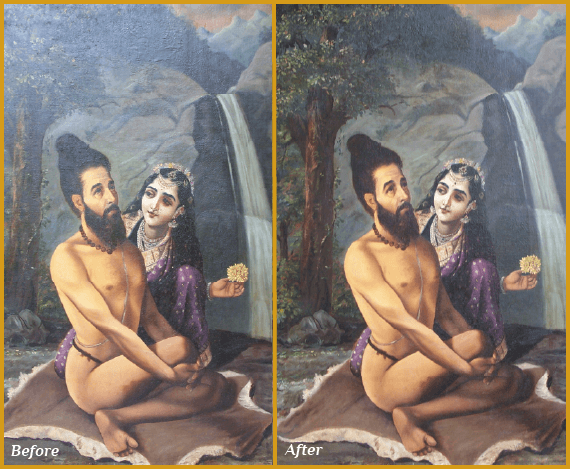
Techniques and Challenges in Restoring 19th Century Oil Paintings
Reviving a Century of History
The 19th century gave the world some of the most exquisite oil paintings — romantic portraits, landscapes, and historical moments captured on delicate canvas. Over time, these artworks face the test of age, losing brightness and structural integrity. At CIACH, our mission is to revive historical art through scientific conservation practices, ensuring every restored piece retains its soul and authenticity.
For more about our conservation services, visit our Art Conservator page.
Understanding the Nature of 19th-Century Oil Paintings
Nineteenth-century artworks were created using organic canvas fibers and natural linseed oil pigments that are highly reactive to humidity and pollutants. At CIACH, we restore such works using methods aligned with international conservation ethics defined by the ICOM Code of Ethics for Museums.
Common deterioration issues include:
- Cracked or flaking paint layers
- Yellowed varnish hiding original tones
- Canvas deformations and tears
- Microbial growth from moisture exposure
- Improper earlier restorations
The Restoration Process at CIACH
1. Examination and Documentation
Initial analysis uses UV fluorescence, infrared reflectography, and pigment microscopy to detect hidden layers and repairs. This scientific evaluation complies with the ethical restoration principles detailed by the American Institute for Conservation.
2. Cleaning and Varnish Removal
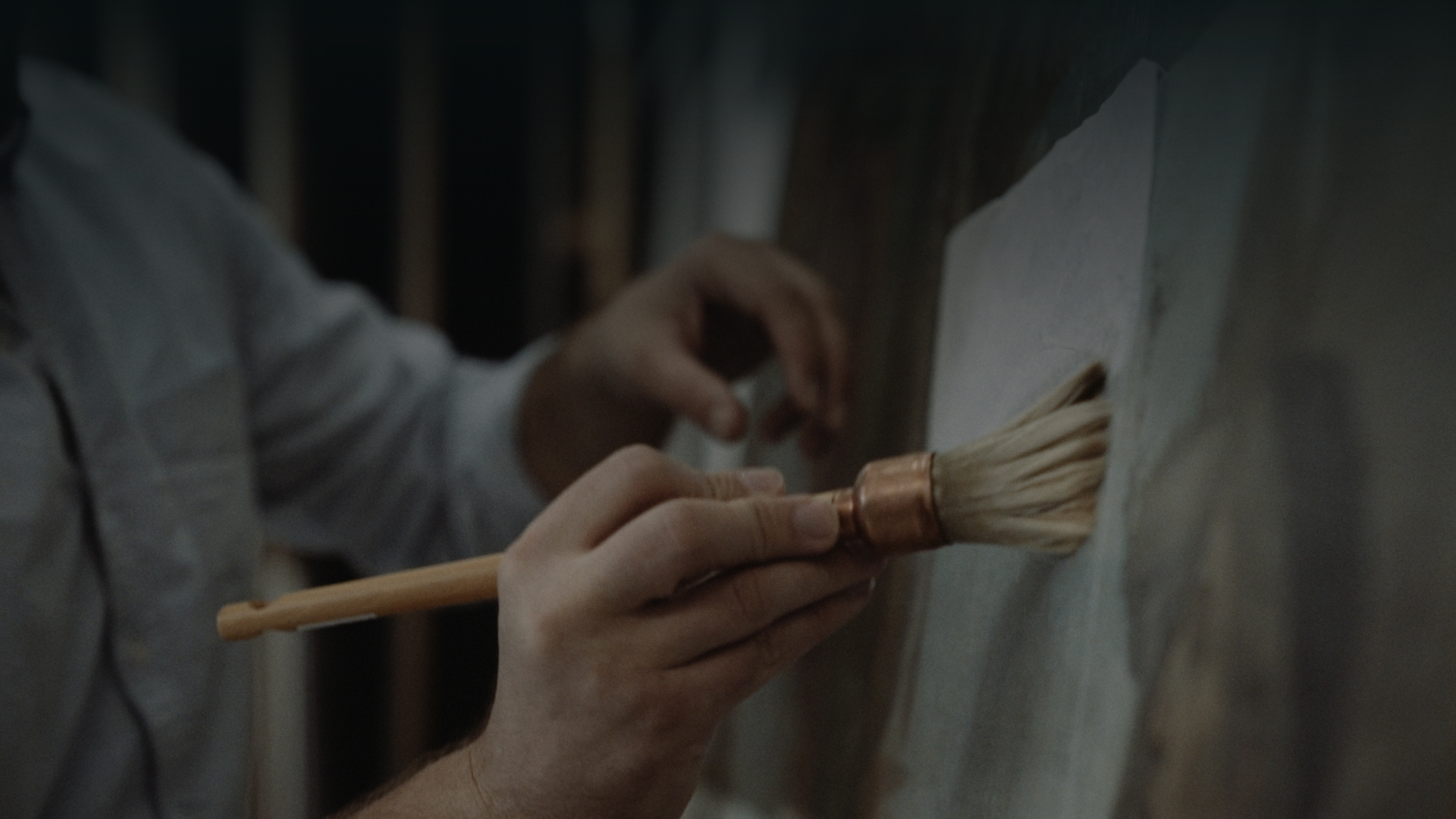
Using enzyme-based gels and solvent microemulsions, conservators remove oxidized varnish while preserving pigment integrity. Similar techniques are documented in the Victoria & Albert Museum’s Conservation Archives
3. Structural Treatment and Stabilization
Canvas deformations and cracks are rectified through controlled relining using reversible adhesives—a standard method endorsed by INTACH.
4. Retouching and Integration
Using natural pigments and conservation-resin emulsions, losses are inpainted precisely to harmonize with original colors. The technique follows the reversibility principle, ensuring no permanent alteration to the painting’s original character.
5. Protective Varnish Application
The process concludes with the addition of UV-resistant varnish, providing long-term color stability while preserving the work for future restoration phases if required.
Framing and Presentation
Restored artworks often include ornate gilded frames that demand their own conservation care. CIACH’s frame conservators restore original ornamentation using traditional gilding and stucco repair, aligning the aesthetic of frame and artwork.
Sustainability and Ethics in Modern Restoration
Modern art conservation emphasizes ethical responsibility and sustainable materials. At CIACH, we adhere to ICOM-CC and INTACH standards, prioritizing environmental safety and cultural authenticity. You can also explore our related article on Preserving Historic Textiles to see how these ethics are applied to historic fabric conservation.
The Human Touch in Art Conservation
What sets our team apart is the blend of artistic empathy, chemistry, and cultural understanding. Read more about our multidisciplinary approach in our Historic Textile Restoration Blog and discover similar preservation stories within India’s rich heritage.
Conclusion: Preserving India’s Heritage, One Masterpiece at a Time
Every piece of art we restore strengthens India’s connection with its cultural lineage. Our conservators at CIACH work not just to repair paintings but to revive the stories and emotions embedded in each stroke of color. See more of our ongoing restoration efforts in the Fullscreen Showcase — a visual journey of traditions reborn through science and art.