

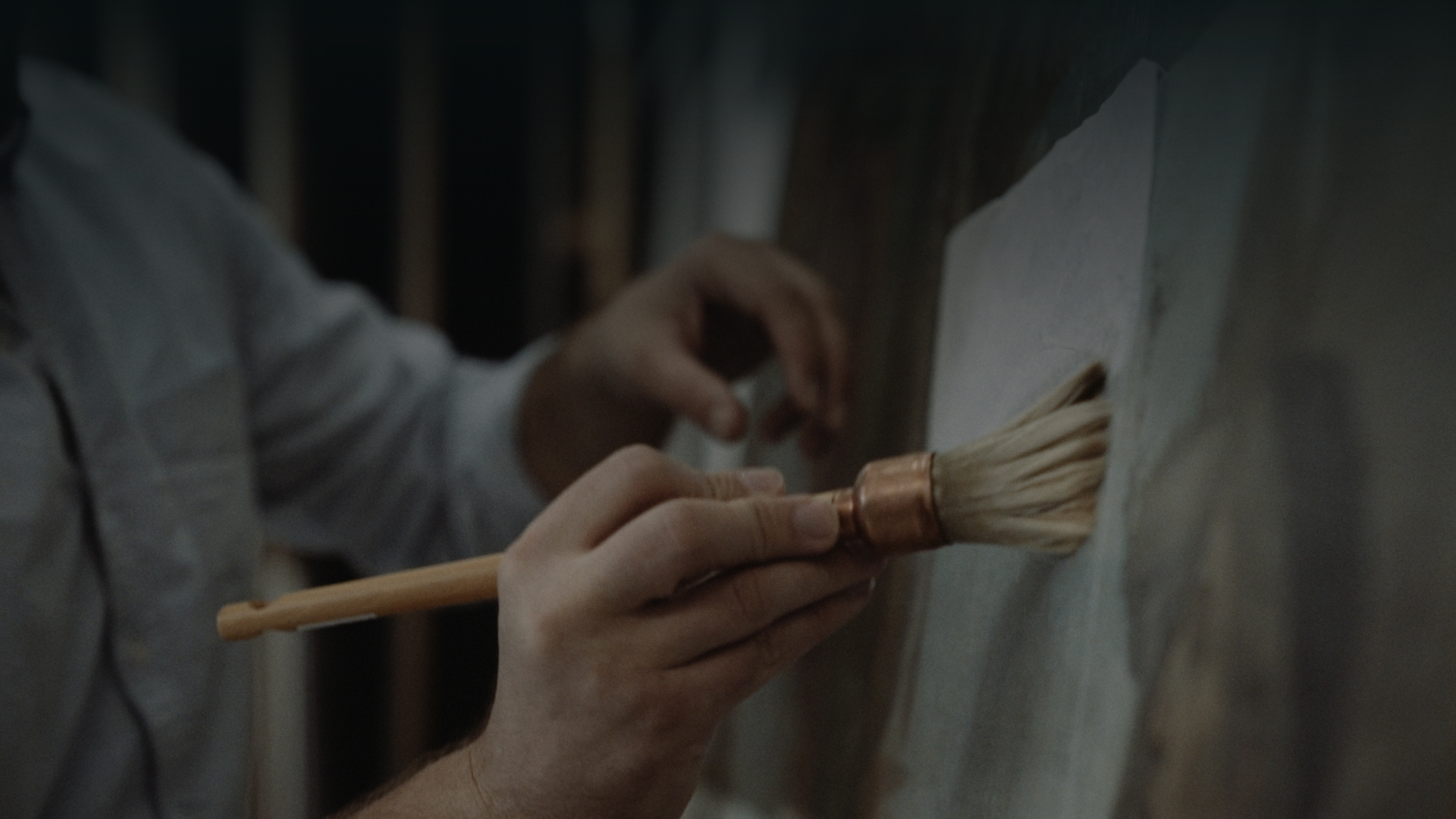
Safeguarding India’s Artistic Legacy: Art Conservation in Delhi
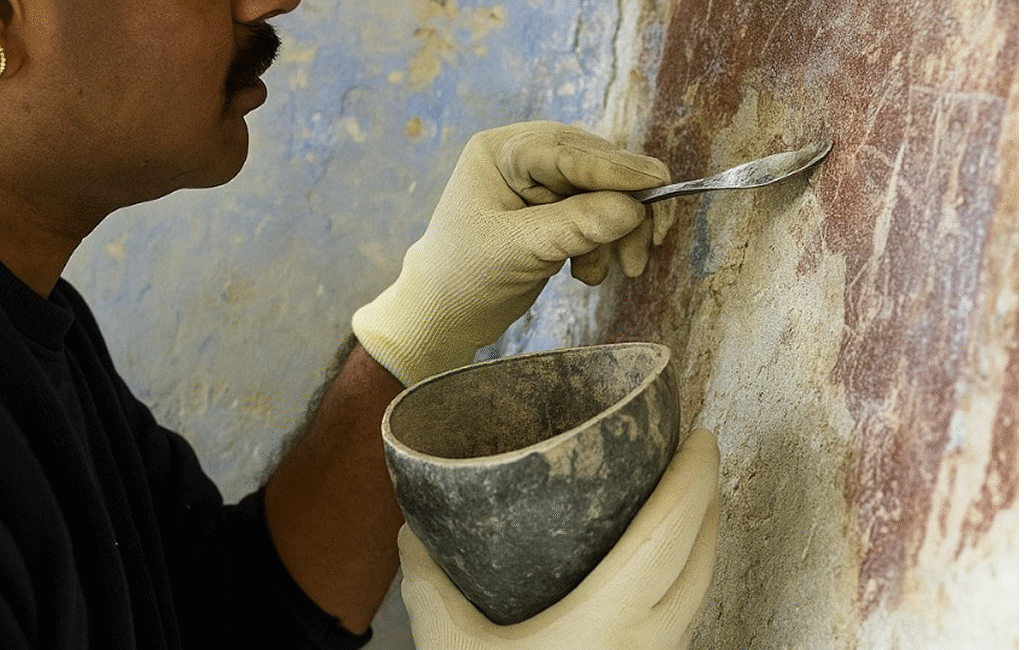
India’s artistic legacy spans centuries—paintings, sculptures, stained glass windows, manuscripts, and architectural marvels that tell our cultural story. But with time, pollution, and environmental stress threatening these masterpieces, art conservation in India has become more crucial than ever. Cities like Delhi, Chennai, Mumbai, and Kolkata are at the forefront of this growing movement to protect the nation’s cultural treasures.
The Evolving Scope of Art Conservation in India
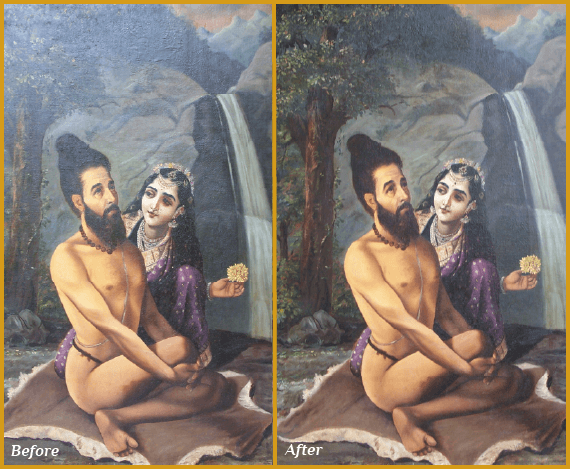
Art conservation is more than restoration—it’s the science of preserving history. As heritage institutions, private collectors, and galleries realize the value of professional conservation, a new generation of art conservators has emerged. These experts combine traditional craftsmanship with advanced chemistry and materials science to stabilize artworks without altering their originality.
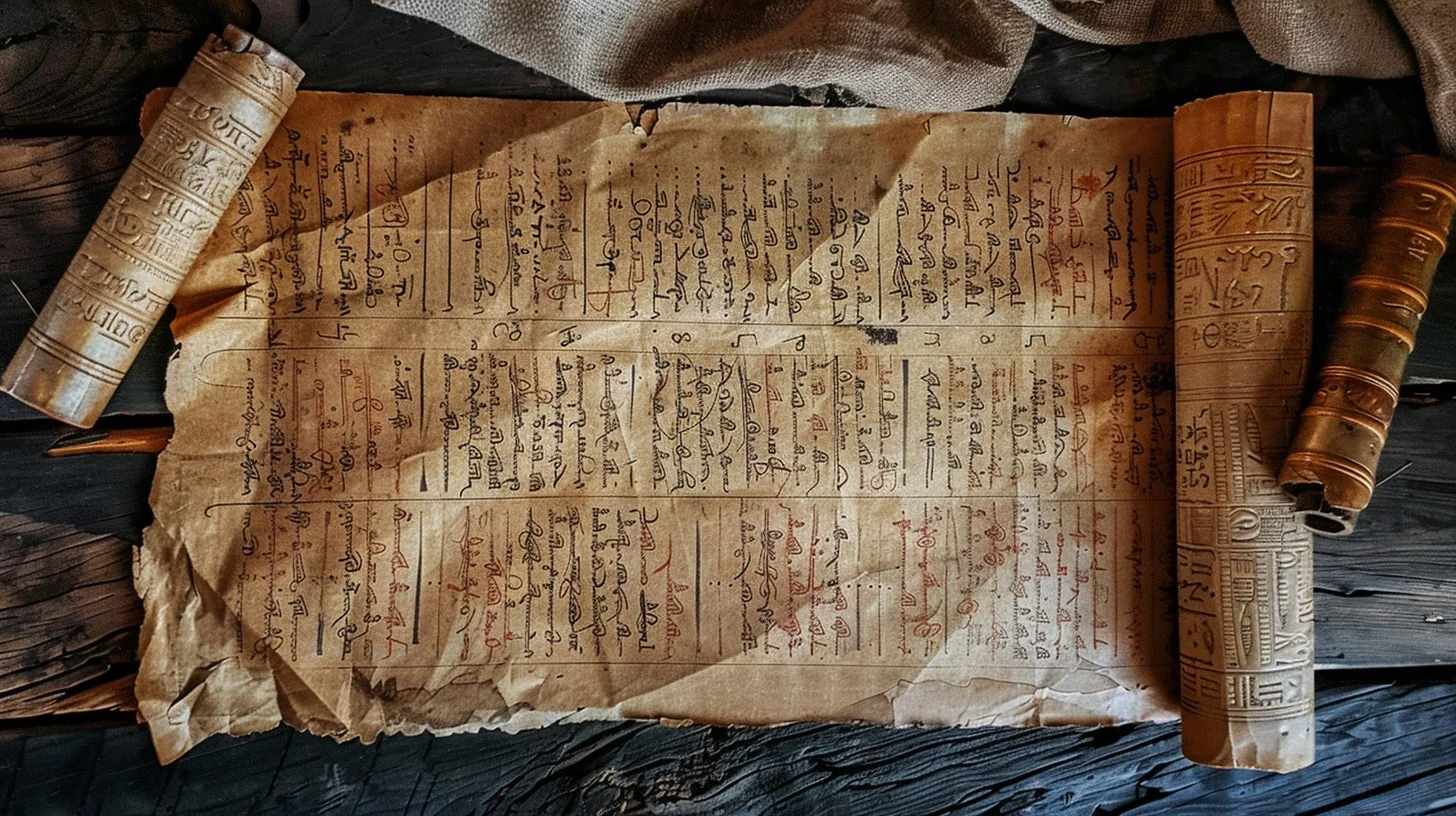
In Delhi, conservation labs and heritage centers focus on manuscripts, paintings, and architectural artifacts affected by weather and pollution. Meanwhile, Chennai’s coastal climate challenges conservators to protect temple sculptures and murals from humidity and salt exposure. Similarly, Mumbai, with its growing art scene and colonial architecture, has become a hub for conservation of both public art and private collections. Kolkata, with its rich colonial and modernist heritage, is reviving artwork from historical estates, churches, and archives.
Stained Glass Conservation: Reviving Lost Light
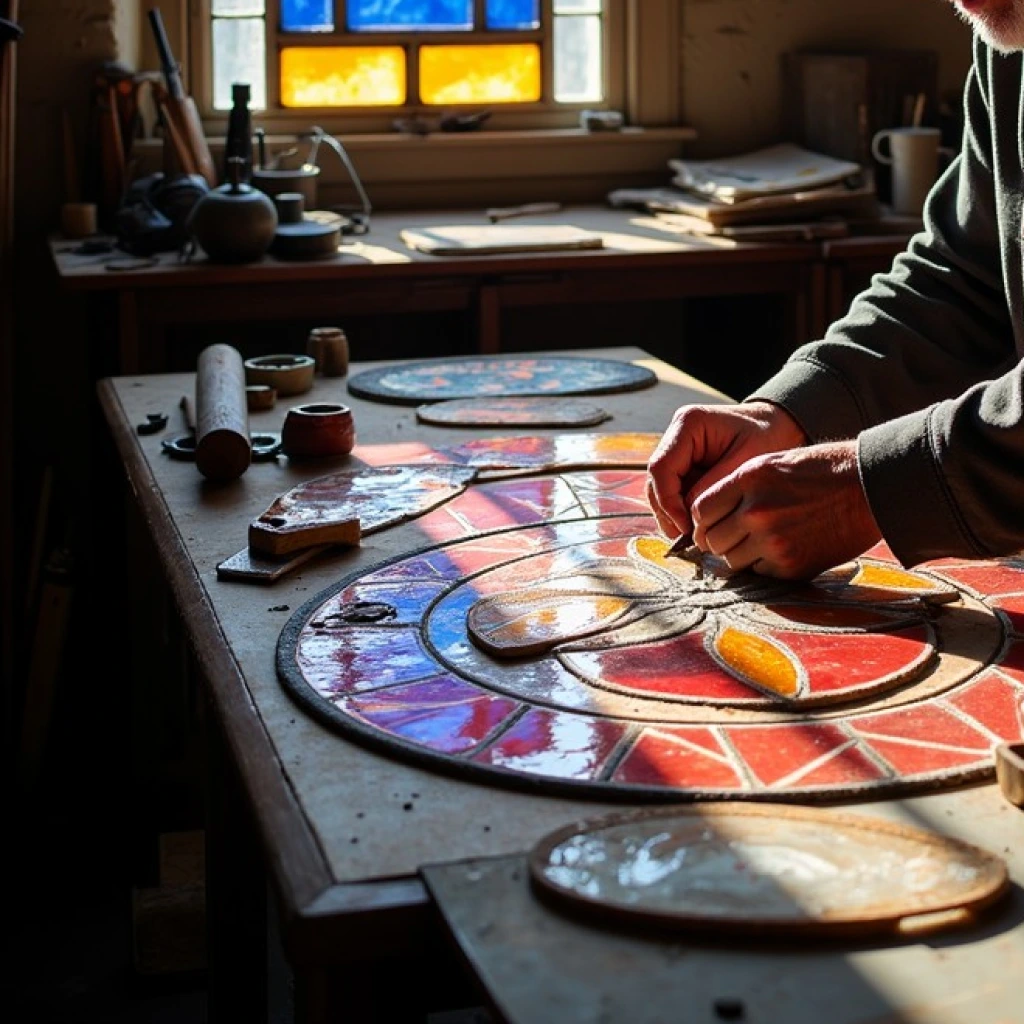
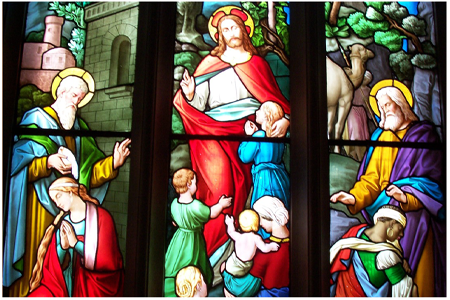
Among the most delicate and visually striking projects in art restoration is stained glass conservation. These colored glass installations—found in cathedrals, heritage residences, and institutional buildings—require expert care to prevent fading, cracking, or corrosion.
A skilled stained glass conservator carefully analyses the glass composition, pigment stability, and lead framework before beginning restoration. At CIACH, our team employs both traditional techniques and modern materials to ensure these glass artworks continue to illuminate spaces for generations.
The Role of Professional Art Conservators
Behind every successful restoration project stands a dedicated art conservator who understands both the science and soul of the artwork. From paintings and sculptures to antique furniture and sacred artifacts, conservators ensure that every object is treated with integrity, ethics, and precision.
Their work involves:
- Technical analysis using microscopy and spectroscopy.
- Repairing damaged surfaces with reversible materials.
- Preventive conservation to control humidity, light, and storage conditions.
- Documentation for future study and preservation.
Why Conservation Matters Today
Every city—whether Delhi, Chennai, Mumbai, or Kolkata—contains irreplaceable art pieces that tell the story of local culture, migration, and heritage. Without proper conservation, India risks losing significant parts of its artistic identity to neglect, weather, or industrial damage.
By investing in art conservation in India, we not only protect the past but also inspire future generations to value creativity and craftsmanship.
.
Leading the Way in Indian Heritage Conservation
At CIACH (Conservation and Innovation in Art and Cultural Heritage), our mission is to preserve, restore, and revive artworks across India. Our multi-disciplinary team specializes in artwork diagnostics, stained glass conservation, painting restoration, and preventive care. With projects spanning heritage sites, museums, and private collections, CIACH continues to shape India’s modern conservation ecosystem.
If you’re a collector, curator, or institution looking to restore or maintain your artworks, connect with CIACH today to ensure your heritage stands the test of time.
FAQs
1. What does an art conservator do?
An art conservator preserves and restores cultural assets, including paintings, sculptures, manuscripts, and stained glass works. Their work involves scientific analysis, ethical treatment, documentation, and preventive care strategies.
2. How do I know if my stained glass needs restoration?
Signs such as cracks, missing pieces, bowing panels, or weak lead frames indicate stained glass needs restoration. Professional assessment is essential to determine the extent of repairs required.
3. Does restoration change the appearance of stained glass?
Quality restoration aims to retain the original appearance, matching colors, textures, and leading patterns. The goal is to preserve authenticity while improving stability and longevity.
4. How long does stained glass restoration take?
Time varies depending on damage and complexity. Minor repairs can take days, while full restorations on heritage buildings may take weeks. Detailed assessments will provide accurate timelines.
5. Can art conservation grants help fund restoration projects?
Yes. Individual artists, NGOs, cultural organizations, and museums may apply for conservation grants to support restoration. Learn more about eligibility and funding sources at INPA Art Conservation Grants.
6. What are the pros and cons of art conservation?
Pros include preservation of heritage, maintaining authenticity, and preventing further damage. Cons involve cost, time requirements, ethical dilemmas, and possible temporary restrictions on access.