

The Importance of Preventive Conservation: How to Protect Art Before It Gets Damaged
Artworks don’t just get damaged suddenly — most deterioration happens slowly, often unnoticed. This is why preventive conservation has become one of the most important practices in the art world. Instead of waiting for cracks, fading, or structural issues, preventive care focuses on protecting art early to avoid costly restoration later.
For a country with diverse climate conditions like India, preventive conservation plays a key role in safeguarding cultural heritage. At Ciach, we explore how thoughtful care and scientific planning can extend the life of any artwork. Art preservation practices in India often align with global standards recommended by organizations like UNESCO
What Is Preventive Conservation?
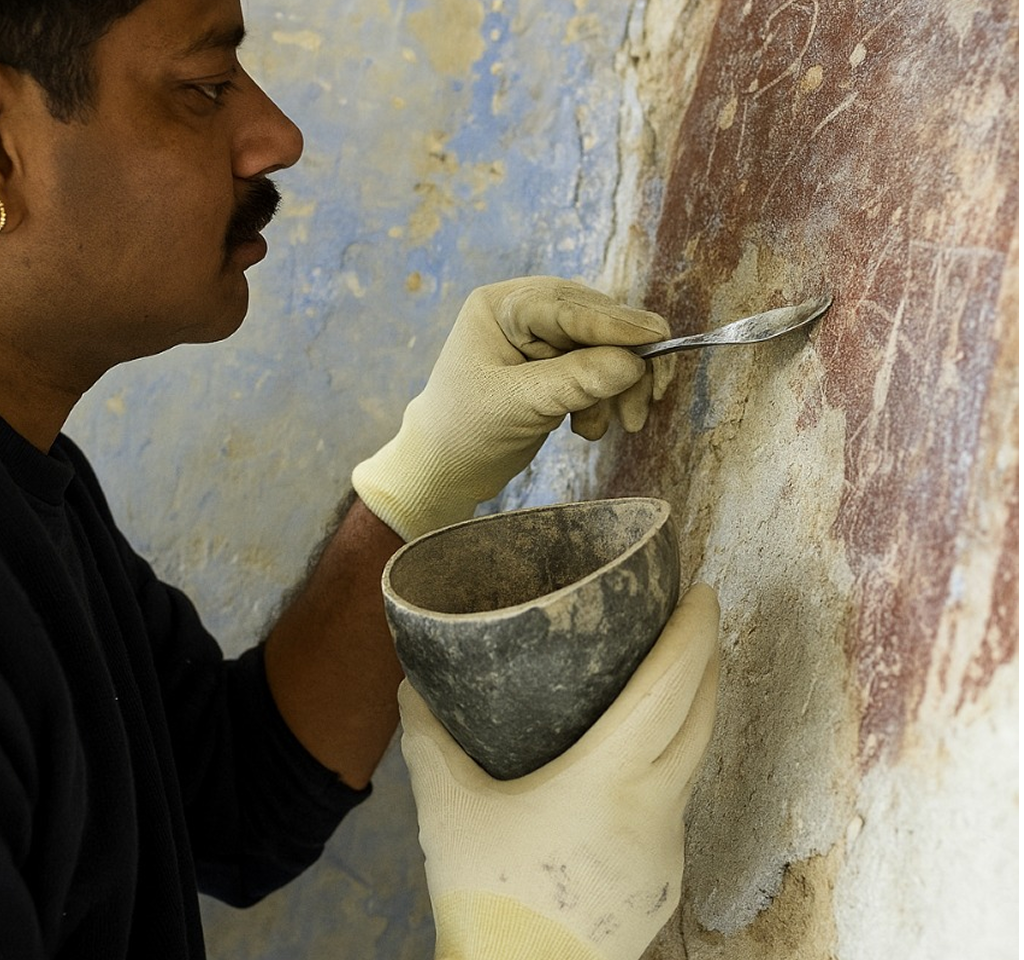
Preventive conservation refers to the actions taken to avoid or minimize future damage to artworks.
Unlike restoration, it doesn’t involve touching or altering the artwork’s surface. Instead, it focuses on creating safe conditions around the object.
This includes:
- Proper environmental control
- Safe storage
- Correct handling
- Protective framing
- Regular monitoring
The goal is simple: reduce risks before they become problems.
Why Preventive Care Is So Important
Every artwork—whether a historic miniature painting or a modern canvas—faces risk from everyday surroundings.
Common causes of damage include:
- Fluctuating humidity
- Changes in temperature
- Exposure to sunlight
- Dust and pollutants
- Mishandling
- Poor storage materials
Preventive conservation addresses all these factors, ensuring longevity and stability.
Key Preventive Conservation Practices
1. Climate Control
Temperature and humidity are two of the biggest threats to art.
Ideal conditions depend on the material, but stable environments always help to:
- Prevent mould
- Reduce cracking
- Protect pigments
Using dehumidifiers, AC units, and climate monitoring tools can make a huge difference.
2. Light Management
UV and intense visible light cause:
- Fading
- Yellowing
- Weakening of materials
Light-sensitive artworks like textiles, watercolours, and photographs need controlled exposure and UV-filtered lighting.
3. Safe Handling and Storage
Improper handling can cause accidental tears, scratches, or breakage.
Simple steps such as:
- Wearing gloves
- Using both hands to lift artworks
- Avoiding sharp objects
- Keeping paintings off the floor
- significantly reduce risks.
Storage should include:
- Acid-free materials
- Strong supports
- Clean, dry shelving
4. Pest Protection
Paper, wood, cloth, and organic materials attract insects.
Regular inspections, clean spaces, and integrated pest management help protect artworks from biological damage.
5. Regular Condition Checks
Many early signs of damage are subtle:
- Hairline cracks
- Loose paint
- Warping
- Discolouration
Routine inspection helps detect issues before they worsen.
Preventive Conservation in Indian Context
India’s unique climatic challenges—heat, humidity, dust—make preventive care essential.
Homes, galleries, and collectors across the country are increasingly adopting professional guidelines to protect their art collections.
Institutions now rely on:
- Climate monitoring systems
- UV-safe gallery lights
- High-quality framing
- Trained staff for handling
This shift shows growing awareness of conservation needs.
How Preventive Conservation Connects With Art Restoration
While restoration repairs existing damage, preventive conservation reduces the need for restoration.
Both fields work together to protect cultural heritage, making preventive care the first line of defence.
This blog can link perfectly to your existing article on Art Conservation and Restoration, allowing readers to explore both topics in depth.
Conclusion
Preventive conservation is one of the most effective ways to protect art from long-term deterioration. By controlling the environment, storing artworks correctly, and monitoring their condition, we can significantly extend their lifespan.
As the conversation around art preservation grows, Ciach continues to explore how modern techniques, digital tools, and scientific methods contribute to a stronger conservation ecosystem in India.