


Stained Glass Conservation in India: Techniques, Challenges, and Restoration Practices
Stained glass windows are among the most visually striking elements found in India’s churches, colonial buildings, palaces, and cultural structures. Their vivid colours and intricate designs reflect centuries of artistry. However, many of these historic installations are deteriorating due to environmental damage, ageing materials, and neglect. This makes stained glass conservation essential for preserving India’s architectural and cultural heritage.
What Is Stained Glass Conservation?
Stained glass conservation involves the assessment, cleaning, repair, and long-term stabilization of stained glass artworks while preserving their originality. Conservators consider:
- The original glass-making method
- Leadwork and support structure
- Paint layers and kiln-fired details
- Historical relevance and artistry
In India, stained glass artwork is commonly seen in:
- Heritage churches
- Colonial-era public buildings
- Palaces and havelis
- Museums
- Private heritage homes
Why Stained Glass Conservation Matters in India
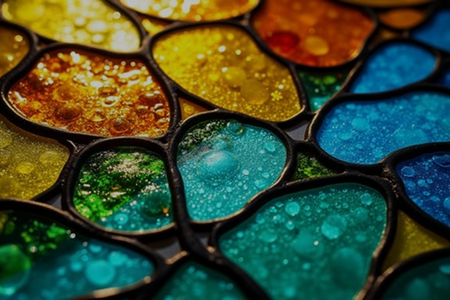
India’s climatic and environmental conditions can cause rapid deterioration. Without timely intervention:
- Lead cames weaken
- Glass becomes brittle or cracks
- Paint layers fade
- Panels deform or collapse
- Structural moisture causes irreversible damage
Preserving stained glass supports:
- Cultural identity
- Heritage tourism
- Architectural authenticity
- Local artisan knowledge
- Long-term sustainability of historic sites
Platforms like Ciach actively promote heritage awareness, bridging art conservation experts and public understanding.
Key Challenges in Stained Glass Conservation in India
1. Environmental Factors
Humidity, air pollution, UV exposure, and temperature fluctuations weaken stained glass structures.
2. Shortage of Skilled Specialists
India lacks trained stained glass conservators, making ethical restoration challenging.
3. Improper Previous Repairs
Use of non-conservation materials, glues, or mismatched glass often causes long-term harm.
4. Structural Issues in Historic Buildings
Weak masonry and failing window frames distort stained glass panels.
5. Financial and Awareness Barriers
Many institutions are unaware of the need for periodic conservation assessments.
Modern Techniques Used in Stained Glass Conservation
Detailed Condition Assessment
Conservators document every panel, noting cracks, paint loss, corrosion, and structural movement.
Cleaning and Surface Treatment
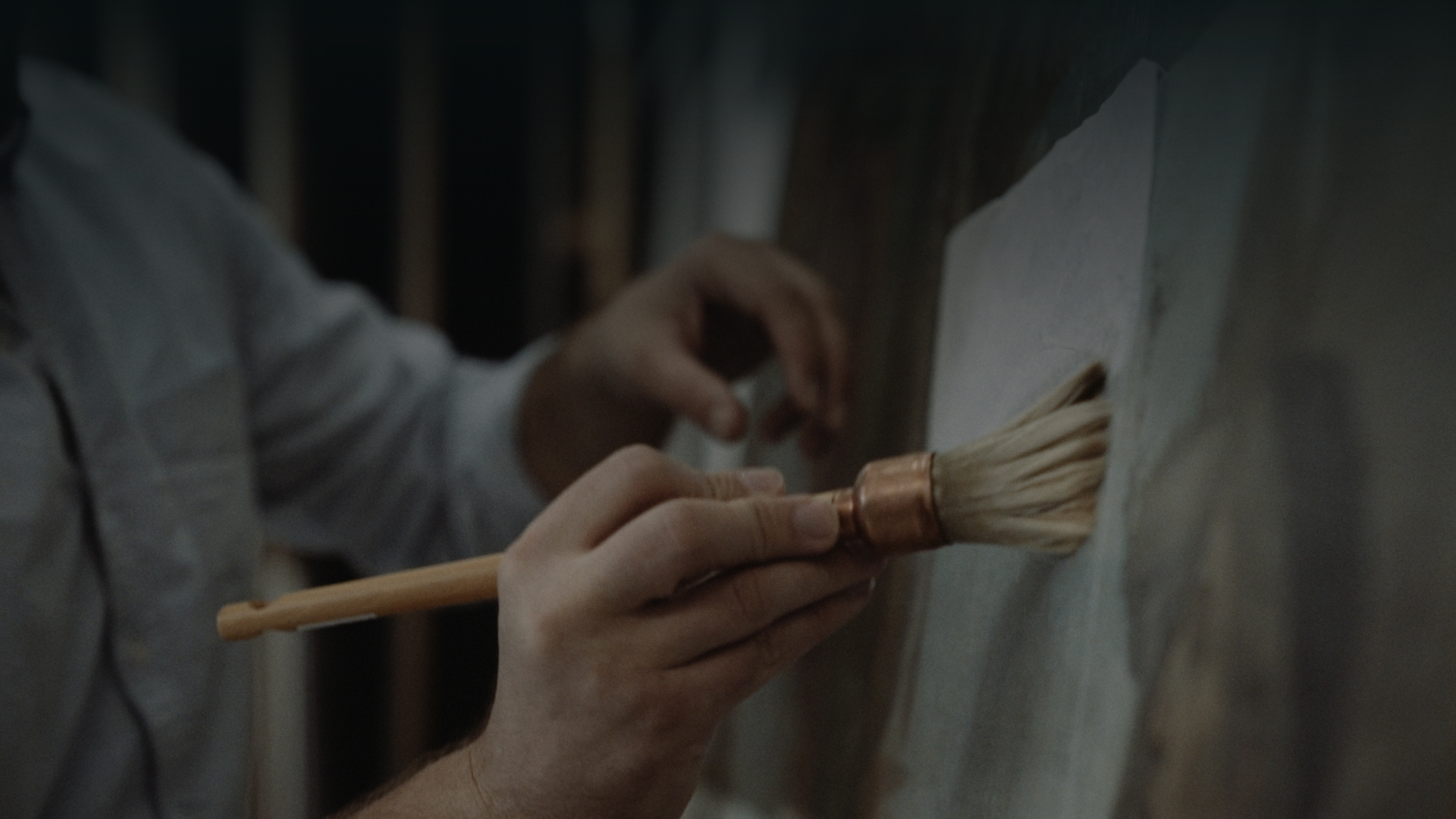
Mild solvents, soft brushes, and conservation-grade tools remove accumulated dust and grime.
Lead Came Repair and Rebuilding
Damaged cames are replaced or reinforced using traditional leadwork methods.
Glass Repair and Replacement
Techniques include:
- Edge-bonding
- Copper-foil repairs
- Kiln-fired glass replacement where necessary
Paint Layer Consolidation
Flaking paint is stabilized using reversible conservation materials.
Protective Glazing Installation
Thin, ventilated external glazing shields historic panels from pollution and weather without altering their appearance.
Growing Demand for Stained Glass Conservation in India
There has been a growing interest in stained glass conservation due to:
- Increased heritage tourism
- Large-scale church restoration programs
- Private heritage home renovations
- Museum upgrades and digitization projects
- Awareness spread by platforms like Ciach
This reflects India’s rising commitment to safeguarding fragile art forms.
Ciach’s Role in Promoting Conservation Awarenes
Ciach supports the conservation community by creating accessible, research-backed content.
- Highlighting real projects and field-based insights
- Content reviewed by trained professionals
- Linking to credible institutions
- Transparent, well-documented information
As a digital platform focused on art and conservation in India, Ciach empowers readers to understand, appreciate, and protect heritage.
Best Practices for Owners of Stained Glass Installations
- Conduct annual condition inspections.
- Avoid untrained repair attempts.
- Maintain stable indoor temperature and humidity.
- Document all changes and interventions.
- Hire certified stained glass conservators for any repair work.
- Avoid strong chemicals or commercial cleaners.
Conclusion
Stained glass conservation in India is a delicate blend of science, craftsmanship, and heritage preservation. By adopting ethical restoration techniques and raising public awareness, India can safeguard its stained glass masterpieces for future generations. Ciach remains committed to promoting conservation knowledge and supporting India’s cultural heritage through accurate, research-driven storytelling.
FAQ
Stained glass conservation involves evaluating, cleaning, repairing, and stabilizing stained glass artworks using ethical and reversible techniques to preserve originality.
India’s climate, pollution, and ageing buildings accelerate deterioration. Conservation protects heritage, craftsmanship, and historical authenticity.
Yes. Conservators use techniques like edge-bonding, copper foiling, lead came rebuilding, and kiln-fired replacements depending on the type of damage.
Only trained stained glass conservators should carry out restoration. Unskilled repairs can cause irreversible damage.
Annual or bi-annual assessments are recommended to prevent small issues from becoming structural hazards.